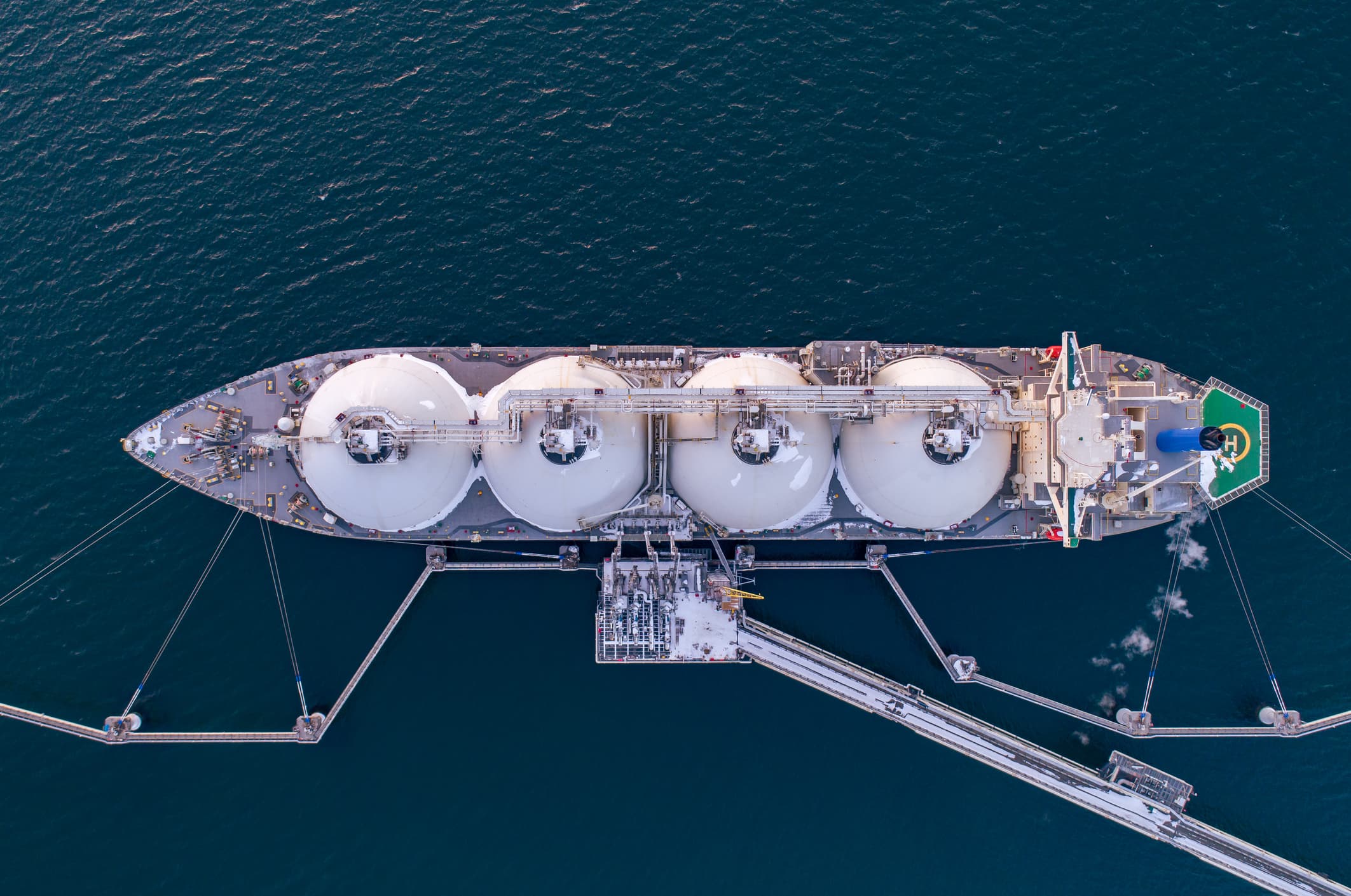
Southeast Asia’s LNG expansion may lock regional supply chains Into structural risk
20 Feb 20268 min read

Summary
- Energy demand across Southeast Asia is rising quickly. Governments are turning to liquefied natural gas as a bridging solution to prevent power shortages and support industrial growth.
- But LNG prices are tied to global markets. Recent energy shocks showed how quickly costs can spike when supply is redirected or demand surges elsewhere. For economies that rely on imported gas, volatility does not stay contained within the energy sector.
- As ports electrify and cold chains expand, electricity stability becomes a supply chain issue. The question is whether expanding LNG infrastructure reduces risk, or locks it in.
“
“Energy should therefore be viewed as a fourth flow in supply chains. The way electricity and fuels are acquired, converted, moved, stored, and used across the network is critical for the success of many businesses and the well-functioning of supply chain networks.” says Wolfgang Lehmacher, global supply chain strategist.
This framing is increasingly relevant in Southeast Asia (SEA), where energy strategy is becoming a huge factor of supply chain resilience. According to the 7th ASEAN Energy Outlook, energy consumption in SEA is projected to nearly triple by 2050 from 2020 levels under the Baseline Scenario, reaching 1,281.7 million tonnes by 2050. International management firm, Arthur D. Little, notes three reasons for this surge. First, increased economic activity where the pace of renewable energy penetration is not enough; The inadequate transmission and distribution status of power grids, especially in remote locations; Lastly, the policy emphasis on electric vehicles particularly Indonesia, Malaysia, and Singapore.To prevent power shortages that could disrupt growth, governments are turning to Liquefied Natural Gas (LNG) as one of the bridging solutions. The Philippines illustrates this shift clearly. With the Malampaya gas field expected to be depleted by 2027, the country has committed to large-scale LNG imports since 2023 to stabilize its power system. Vietnam followed a similar path, initiating LNG imports in the same year as rising electricity demand outpaced domestic supply. Across the region, traditional LNG exporters are also reprioritizing. Thailand, Malaysia, and Indonesia, long-standing suppliers, are starting to redirect LNG to meet domestic power demand.
Members Only Content
To read the full article and access exclusive content, please login or register as a member.
Member Benefits:
- • Full access to all articles
- • Exclusive industry insights
- • Apply Supply Chain jobs in asia